

By Ava Peterson
In Red Wing, many of the ways we use technology look familiar: phones, laptops, internet access. But underneath the surface, emerging tools—especially artificial intelligence (AI), smart home devices, and wearable gadgets—are beginning to change daily life in ways big and small.
The rise of AI in ordinary routines
Whether you’re checking the weather, managing bills, or writing emails, AI features are now quietly embedded in so many services. Smart assistants on your phone, email apps that suggest replies, and even tools that summarize news stories work behind the scenes to reduce friction in routine tasks, while changing expectations about what “just works.” Across the U.S., about half of adults now report using AI chatbots like ChatGPT or Gemini—up sharply from just a few years ago—and many use smart speakers, smart thermostats, or video doorbells at home. These trends show that AI is moving from novelty into infrastructure.
Gadgets that truly make a difference
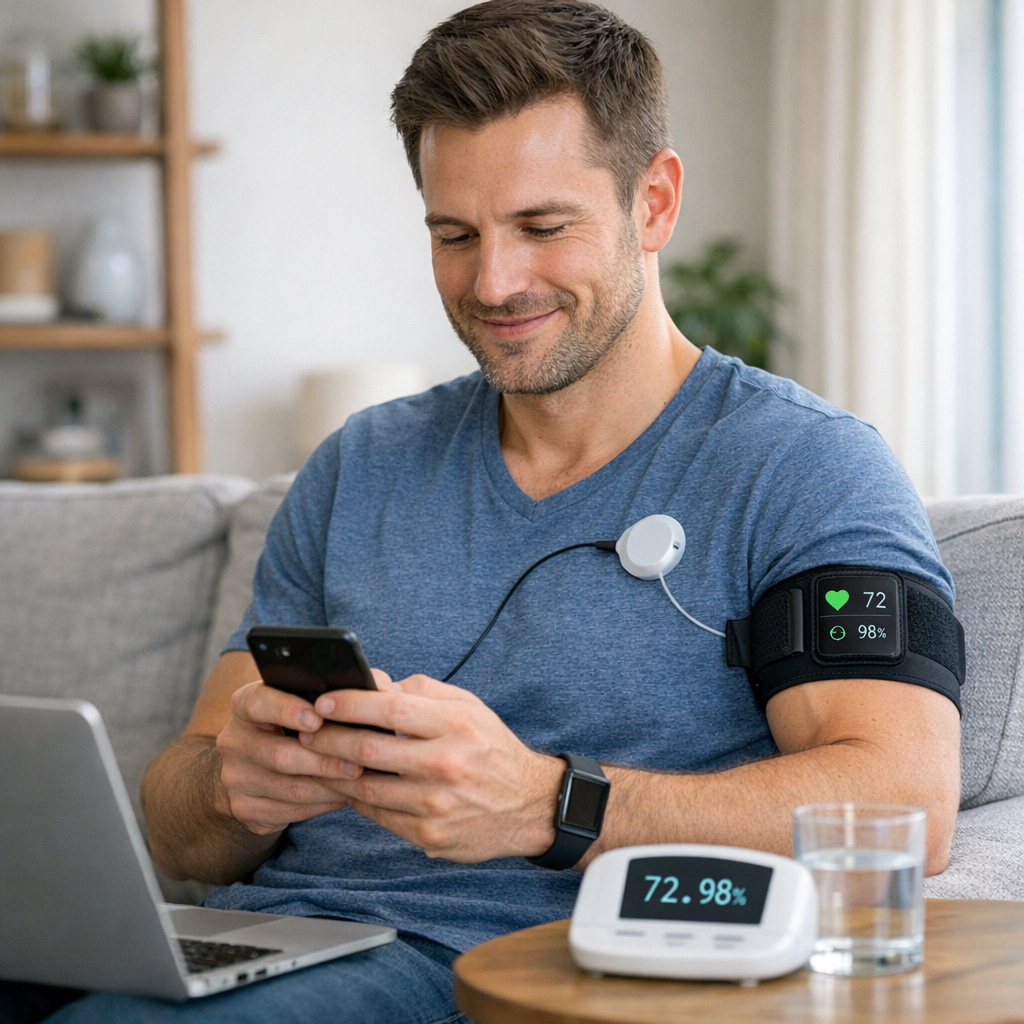
Wearables—smartwatches, fitness bands, health-monitoring rings—are evolving into more than just step counters. New devices can notice changes in sleep, heart rate trends, or even offer alerts for irregularities. Similarly, home gadgets are becoming more practical: robot vacuums, smart thermostats, and AI-enabled pet feeders or lawn sensors are delivering value through convenience, safety, or energy savings.
Opportunities and challenges for small towns
For a place like Red Wing, tech shifts bring opportunity: if high-speed internet reaches all corners of our community and local developers or entrepreneurs can tap into resources, startups can grow, remote work becomes more feasible, and aging in place can be supported with smart safety and health tools. A case study of Red Wing’s digital economy shows that small towns can participate in the innovation economy when infrastructure and skills are in place.
On the flip side, there are risks and hurdles. Privacy is a concern when so many devices collect data. Not everyone has equal access to reliable internet, which can magnify disparities. And many people express unease about how fast AI is advancing or how it’s governed. National surveys show a mixed sentiment: excitement paired with skepticism.
What to watch for in Red Wing
- Community-driven digital literacy programs: helping residents understand safety settings, how voice assistants work, or how to control smart home devices.
- Startups or small businesses focusing on local needs—tools for managing the riverfront environment, or apps for local tourism and craft businesses.
- Adoption of wearables and health tech among older adults—tools that support mobility, medication reminders, or fall detection—could increase quality of life.
- Policy discussions around data privacy, especially as devices capture more about daily behavior at home and in public.
- Infrastructure investments, especially broadband and cellular access, which are foundational to everything else.
Technology and AI don’t have to be flashy to matter. Often, their impact is in making things easier, safer, or more connected. Here in Red Wing, we’re already seeing the beginning of that shift—and how we guide it will shape life in the years ahead.