

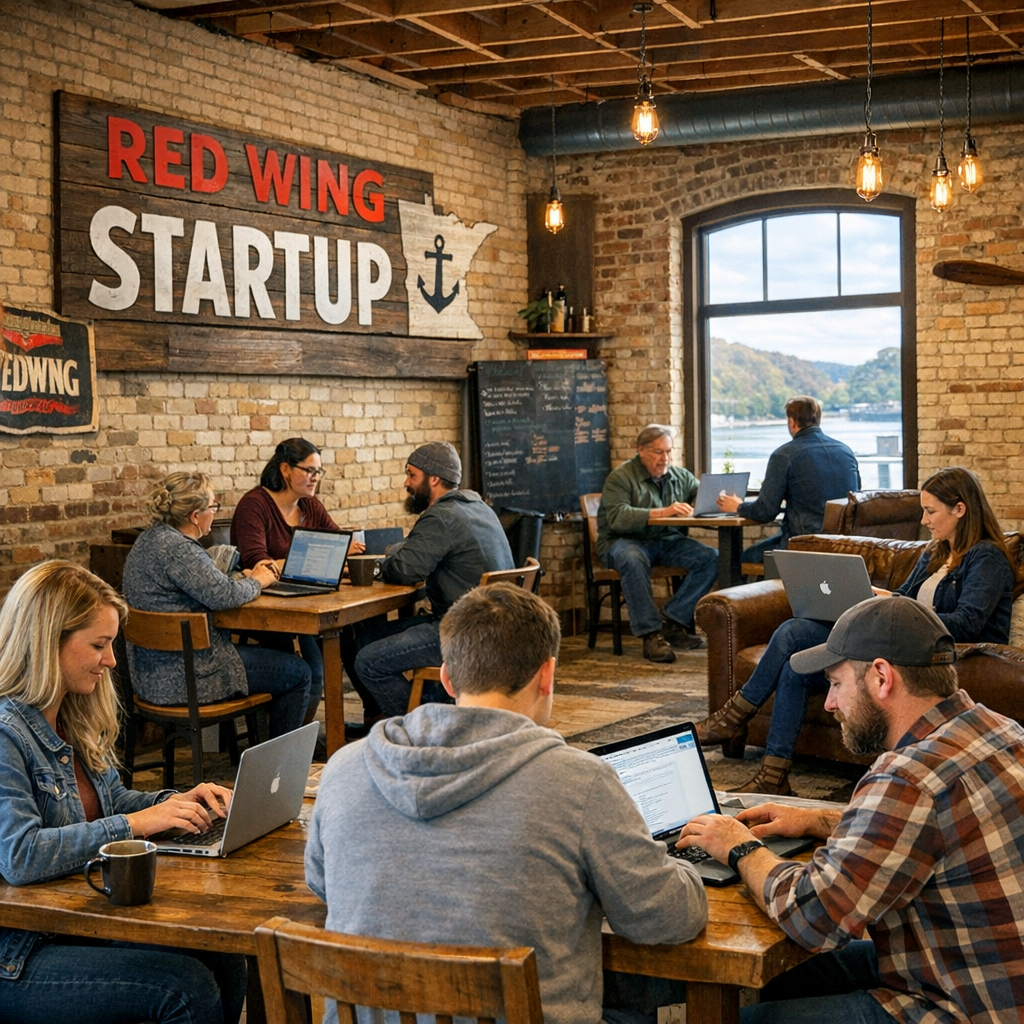
Red Wing isn’t Silicon Valley—but technology is steadily growing roots here. Whether you’re commuting to Mayo Clinic, working from home near the river, or managing a farm outside town, AI, startups, and smart gadgets are changing how daily life happens.
Bringing Innovation to Small-Town Minnesota
Startups are pushing past big cities and making gains in smaller places across the Midwest. A recent innovation report found that while the region still draws a relatively small share of national venture capital, it has thousands of early-stage companies producing real value—and Minnesota plays a role in that growth. Many of these startups are clustered around health tech, biotech, and life sciences, sectors that already have roots in this state.
For Red Wing, that means opportunities. Local entrepreneurs can now partner with clinics, tech firms, or the University of Minnesota system to access resources like research labs, business mentoring, and funding. Community colleges and workforce programs are more often offering training in digital tools, AI fundamentals, and cross-disciplinary skills—helping build the kind of talent that startups need.
The Digital Divide Isn’t Gone, But It’s Closing
Even with better connectivity, many rural and small-town areas still lack reliable high-speed internet. Without it, tools like telehealth, remote work, and IoT devices—temperature monitors, security sensors—just don’t work smoothly. Efforts at the state and federal level are pushing broadband expansion in rural Minnesota, but actual access still depends on geography, infrastructure, and cost.
In places like Red Wing, local libraries or city technology initiatives are stepping in—offering drop-in tech help, public computers, and workshops on smart devices. These community-driven supports help residents get past setup obstacles, privacy concerns, or digital skills gaps.
Gadgets and AI That Touch Everyday Life
The tech that impacts most people doesn’t always look cutting-edge. Echoing trends from rural tech reviews, devices that help with home safety (smoke detectors with visual alerts), mesh Wi-Fi to cover large homes or mixed-use buildings, and smart speakers that do simple tasks—turn on lights, remind about medication—are quietly becoming essential. These tools are strongest when they work without a constant internet connection or when they have fallbacks—for example local storage or offline behavior.
AI-powered services—from language translation to image recognition—are also making waves. For folks who commute, mobile apps that route traffic and weather or suggest alternate transit options cut stress. In clinics, AI helps clinicians quickly flag urgent cases and speed up diagnostics. And for artisans and small manufacturers who sell online, AI tools help optimize listings, manage inventory, or analyze market trends.
What Red Wing Can Lean Into
- Local startup support: Incubators, co-working spaces, or maker labs where people can test ideas, share tools, and connect with mentors.
- Digital literacy programs: From libraries to schools—focusing not just on how to use tech but why it matters, especially for older residents.
- Public infrastructure: Supporting broadband expansion, improving public wifi in shared spaces, and ensuring smart devices in public services work well for all.
- Responsible tech use: As AI and connected gadgets become part of life, privacy, data ethics, and cybersecurity can’t be afterthoughts.
Technology doesn’t have to feel impersonal or distant—even in a town like Red Wing. With thoughtful choices, the right support, and local creativity, tech can lift the everyday—making health care more accessible, workplaces more flexible, homes safer, and opportunities more local.