
As we navigate the complexities of the current U.S. political and economic landscape, several key developments have emerged that warrant attention.
Political Climate and Public Sentiment
Recent polling indicates a significant level of public concern regarding the state of the nation’s political system. Approximately one-third of Americans identify politics and government as the most pressing issues facing the country. This sentiment is particularly pronounced among older demographics, while younger individuals tend to focus more on economic challenges such as housing affordability and basic needs.
Economic Indicators and Challenges
The U.S. economy continues to exhibit resilience, with the International Monetary Fund (IMF) projecting a growth rate of 2.4% in the fourth quarter of 2026. Unemployment rates are expected to decline to 4.1% during the same period. However, the IMF has also highlighted potential risks associated with rising federal budget deficits, which could pose challenges to long-term economic stability.
Inflation remains a concern, with recent data indicating a nearly three-year high, driven in part by a 21% surge in gas prices over the past month. This increase has placed additional financial strain on lower-income Americans, who are disproportionately affected by rising fuel costs.
Implications for Red Wing Residents
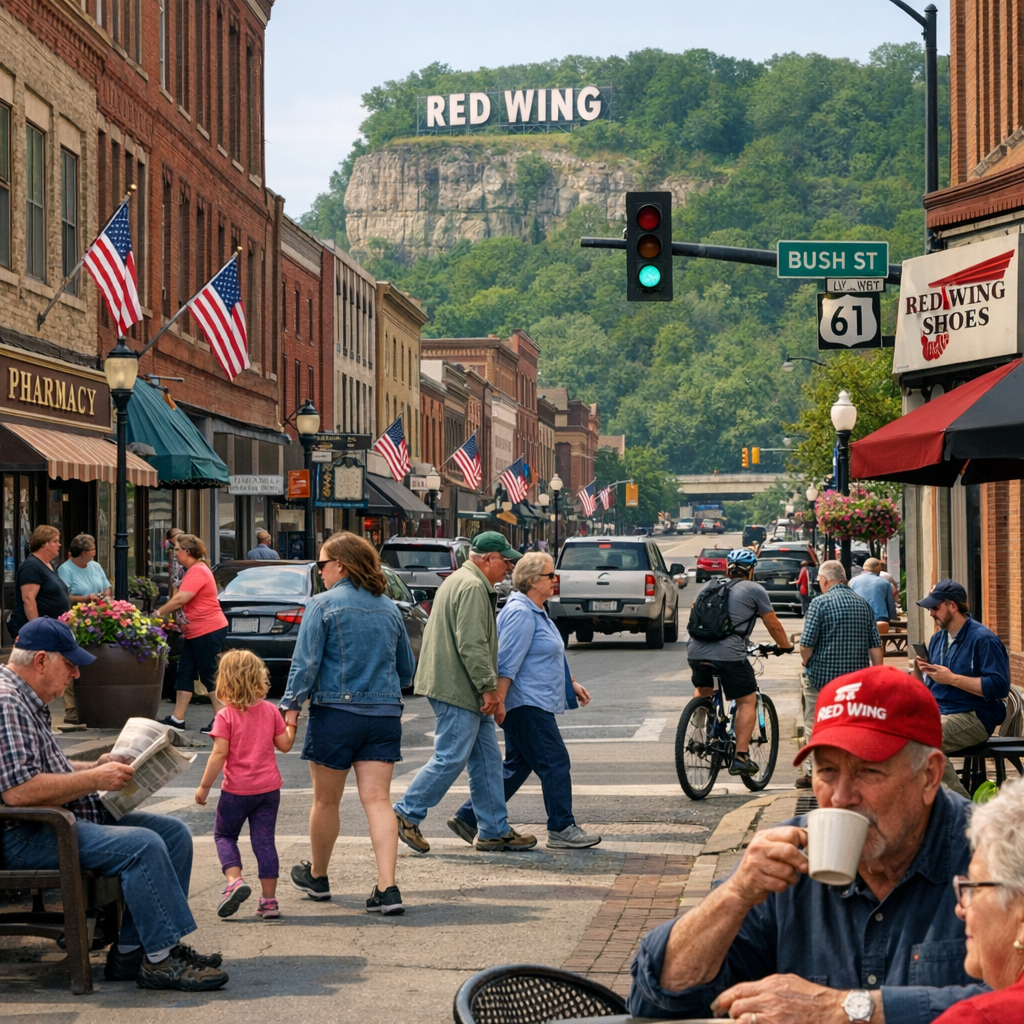
For residents of Red Wing, Minnesota, these national trends have tangible local implications. The heightened political anxiety reflects broader concerns about governance and policy decisions that impact daily life. Economically, rising inflation and fuel costs can affect household budgets, influencing spending patterns and overall financial well-being.
Staying informed about these developments is crucial for making informed decisions, whether it’s participating in local governance, adjusting personal finances, or engaging in community initiatives aimed at addressing these challenges.