
The United States is currently experiencing a complex economic environment characterized by rising inflation, escalating energy costs, and shifting public opinion.
Inflation and Energy Costs
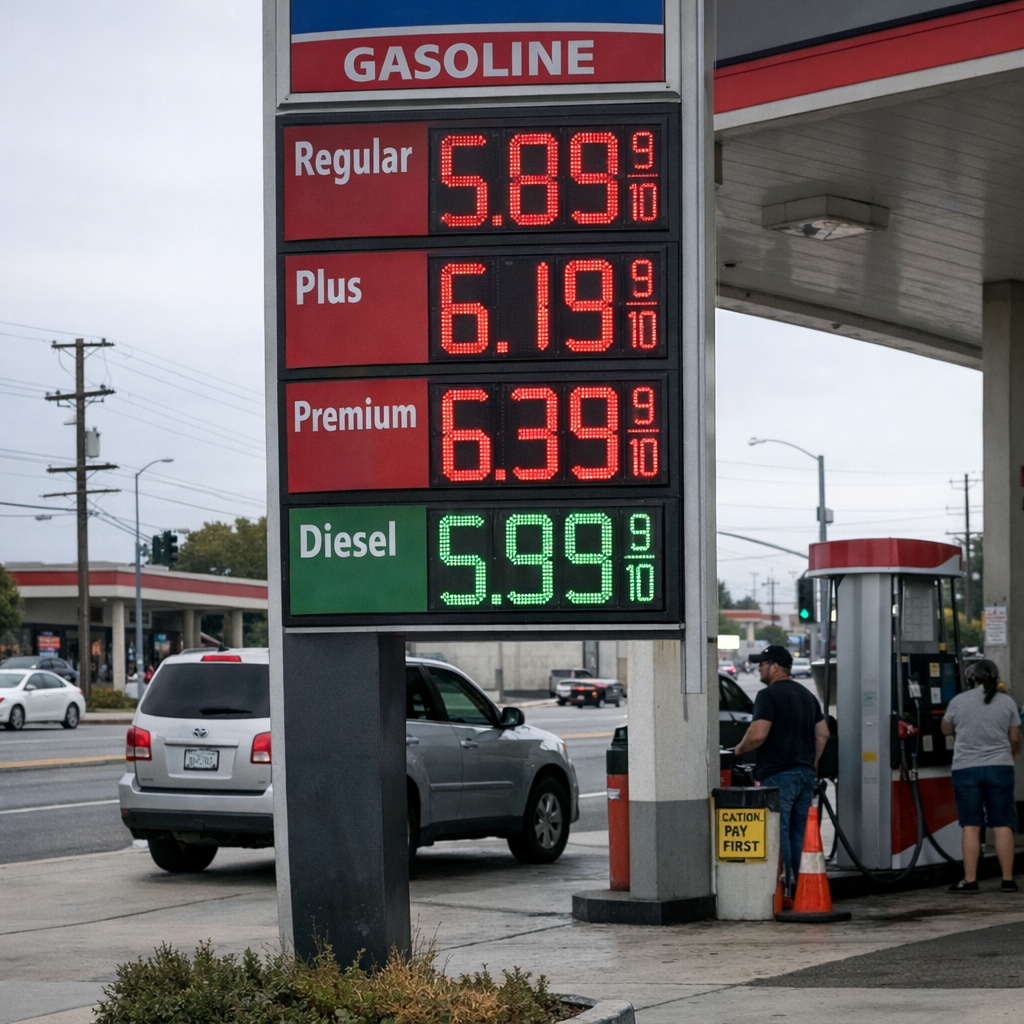
Recent data indicates that inflation has reached 3.8% in April, marking the highest rate in three years. This surge is largely attributed to increased energy prices following the military conflict with Iran, which began in February. The closure of the Strait of Hormuz has led to a significant rise in energy costs, with average gas prices exceeding $4.50 per gallon nationally and some states reporting prices above $5.
Public Sentiment
A CBS News/YouGov poll conducted between May 13-15, 2026, reveals deep public dissatisfaction with the current administration’s economic policies. The survey found that 70% of Americans feel “angry” or “frustrated” about the handling of the economy, while only 11% expressed enthusiasm, and 19% reported satisfaction. Additionally, 65% of respondents believe that current policies are worsening the economy in the short term, and 50% think they will have a negative long-term impact.
Looking Ahead
As the nation approaches the midterm elections, these economic challenges are likely to play a significant role in shaping voter sentiment and influencing policy decisions. It remains to be seen how these factors will impact the broader economic landscape and the daily lives of Americans.